Porn short-circuits free will.
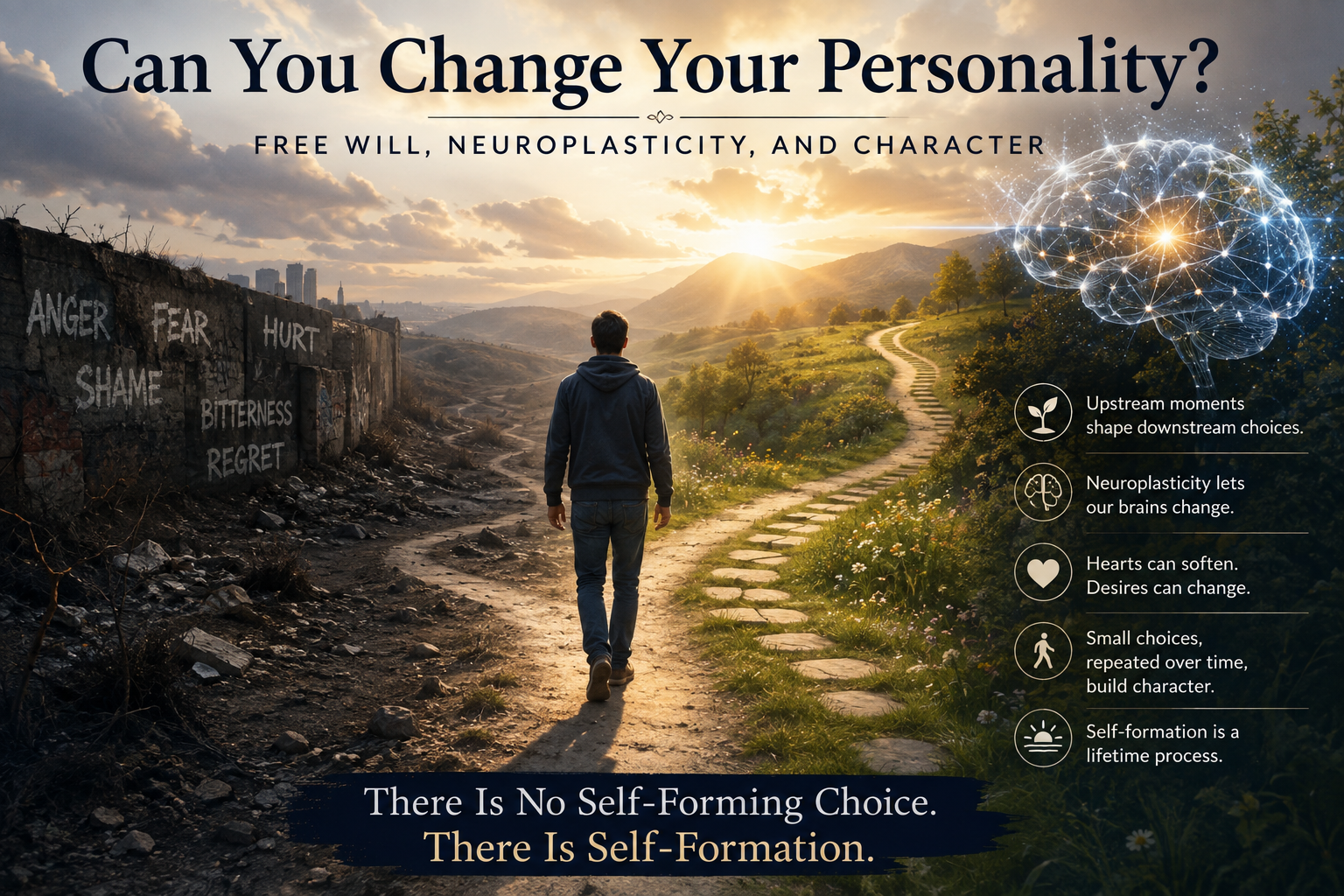
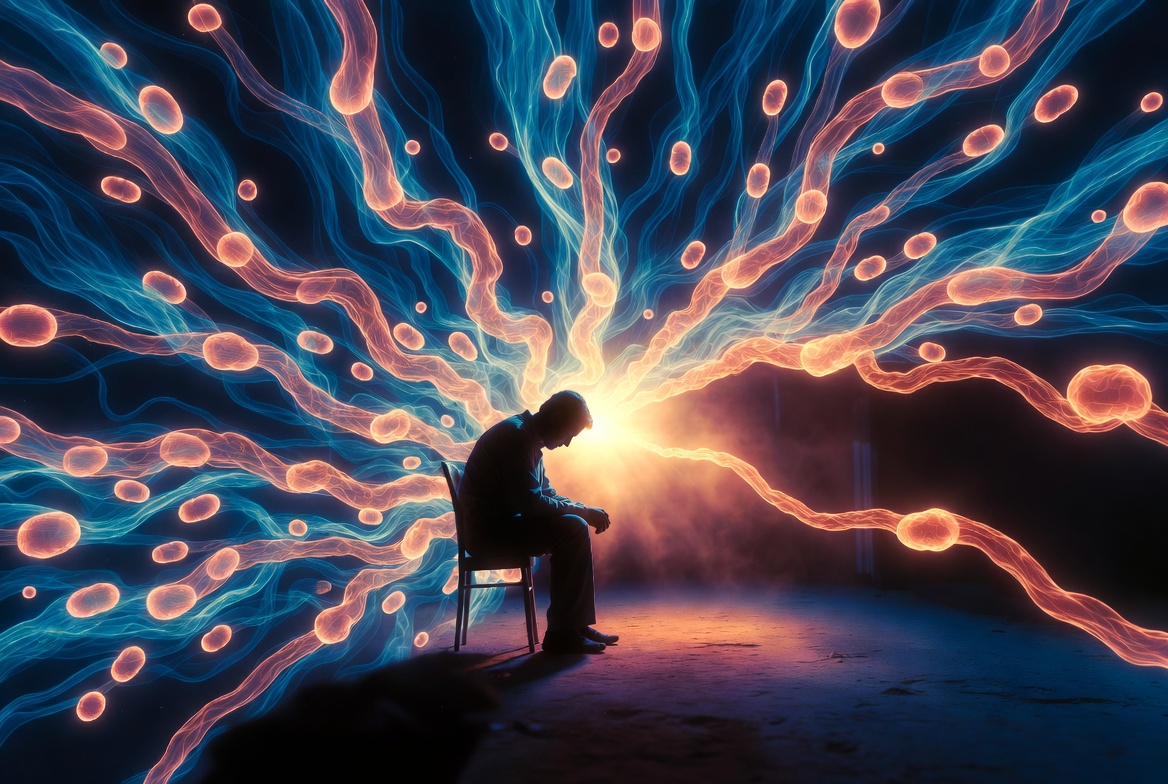
You have to understand how neuroplasticity works to understand how porn addiction and free will are related. Physical pathways in the brain are formed by two things: 1) repeated firing of a pathway and 2) the intensity of the pathway firing.
You don’t get much more intensity of a pathway firing than by viewing pornography. That quickly becomes a supercharged pathway, etched really deep.
Then there is the chemical feedback. Porn addiction is real, and it is a chemical addiction. Each time you view porn, dopamine is released into your brain. Dopamine is the feel-good neurotransmitter. It is associated with pleasure. A dopamine hit is like a superpowered pleasure hit, and it is quickly addictive.
The dopamine hit feeds back and etches the brain pathway for viewing porn much more deeply. They are among some of the strongest and deepest pathways to exist. And they are powerful, easily overwhelming free will.
So, if you fall into this trap, how do you use your free will to fight it?
Porn addiction and free will
When the craving is strong, you probably have little chance of counteracting it with free will at that time. You have to catch it before the craving builds, in the quiet moments of reflection, when the pressures are low. Before the porn pathway fires.
Here is a scenario. Your mind is idle. Your pressures of thought are low and equal. You think to yourself, I wonder if that porn site is still accessible? I can just browse by the site. I won’t look at it.
In that quiet moment of reflection, you just decided to view porn. Once the pathway starts firing, it is very hard to stop it.
Maybe you will just browse the site out of curiosity, wondering if you are still addicted. Perhaps you close the browser before it goes further. This time.
But now the ball is set in motion. It is going to keep coming back, trying to break your resolve. The fact is, you decided to give in in that quiet moment upstream. That is porn addiction and free will.
That scenario is not hypothetical. It is how the upstream moment gets lost.
At Colossians 3:5, the apostle Paul says the following:
“Deaden, therefore, your body members that are on the earth as respects sexual immorality, uncleanness, uncontrolled sexual passion, hurtful desire, and greediness, which is idolatry.”
Paul is talking about the upstream moment. That is the point to deaden your body members regarding pornography, not in the heat of temptation. Make up your mind in those low-pressure moments of reflection that you will not give in to temptation or fire those porn pathways.
Porn addiction loss of free will
Free will lives in reflection. A person is most free not when he is carried by impulse, but when he can pause, consider, and choose. That pause is what I call the upstream moment. It is the quiet space where desire can be examined before it turns into action.
Porn addiction works against that space. It rewards immediate gratification, shortens attention, and weakens the habit of interior silence. Over time, the mind learns to move faster than conscience. The result is not just repeated behavior. It is diminished agency.
That is why addiction feels so enslaving. The person does not simply want something too much. He begins to lose the ability to stand apart from the want itself. The desire arrives, and the person follows. The will is still there, but it is increasingly bypassed. The chain of reaction grows stronger. The space for deliberation grows weaker.
Recovering free will from porn addiction
Recovery from addiction is not only about stopping a behavior. It is about reclaiming your ability to choose. That is what addiction steals. It does not merely tempt the will. It trains the mind to move around the will.
The danger is not only the act itself, but the pattern it builds. The more a person gives in, the more the habit becomes automatic. The less he practices self-command, the harder self-command becomes. In that sense, addiction is anti-free-will. It narrows the self until impulse feels like identity.
But free will can be strengthened again. It is strengthened in silence, in honesty, in restraint, and in the repeated decision to stop feeding what weakens the soul. Every time a person guards his attention, he protects his freedom. Every time he refuses to be ruled by impulse, he reclaims a little more of himself.
That is why I do not see recovery as mere suppression. I see it as restoration. The goal is not only to stop looking. The goal is to become the kind of person who can still choose when the urge comes.
Free will is stronger than addiction when applied upstream. Take control in the quiet. Don’t let Satan program your brain.
More on breaking free from pornography–>
More on the upstream moment ->