Free will is one of the most important ideas human beings have ever discussed, and one of the most misunderstood. People often talk as if free will means acting without cause, as if a free choice must somehow stand outside the universe untouched by anything that came before. That is not what free will means. What is the true meaning of free will?
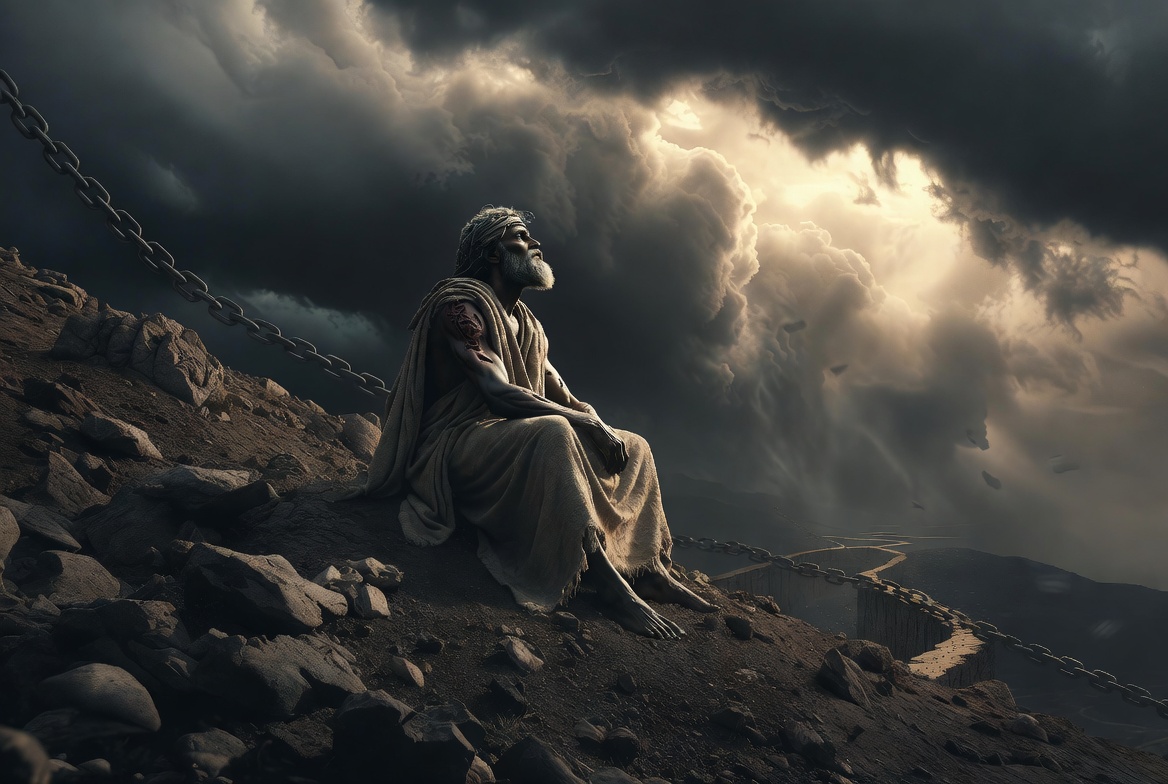
The causal chain is real. Events lead to other events. The brain is shaped by genetics, upbringing, trauma, habit, environment, and experience. In that sense, determinism begins with an important truth: human beings do not choose in a vacuum.
But hard determinism goes too far. It claims that every thought, desire, and action is fully caused by prior states of the universe, so that given the same conditions, only one outcome is possible. Under that view, consciousness does not initiate anything. It only observes what prior causes have already fixed. Meaning, there is no free will.
That is where determinism reduces the person too far.
What is the true meaning of free will?
Free will does not require the absence of causes. It requires the presence of agency. A free act is not uncaused. It is an act in which reflection, evaluation, and intention genuinely matter. If a person can consider alternatives, weigh them, and own one path rather than another, then he is not merely the endpoint of the causal chain. He is a participant in it.
That is the central distinction. The causal chain is the structure by which events unfold. Determinism is one interpretation of that structure. Free will is another. The real question is not whether causes exist. The real question is whether conscious deliberation can itself become a cause.
Free will definition
I believe it can.
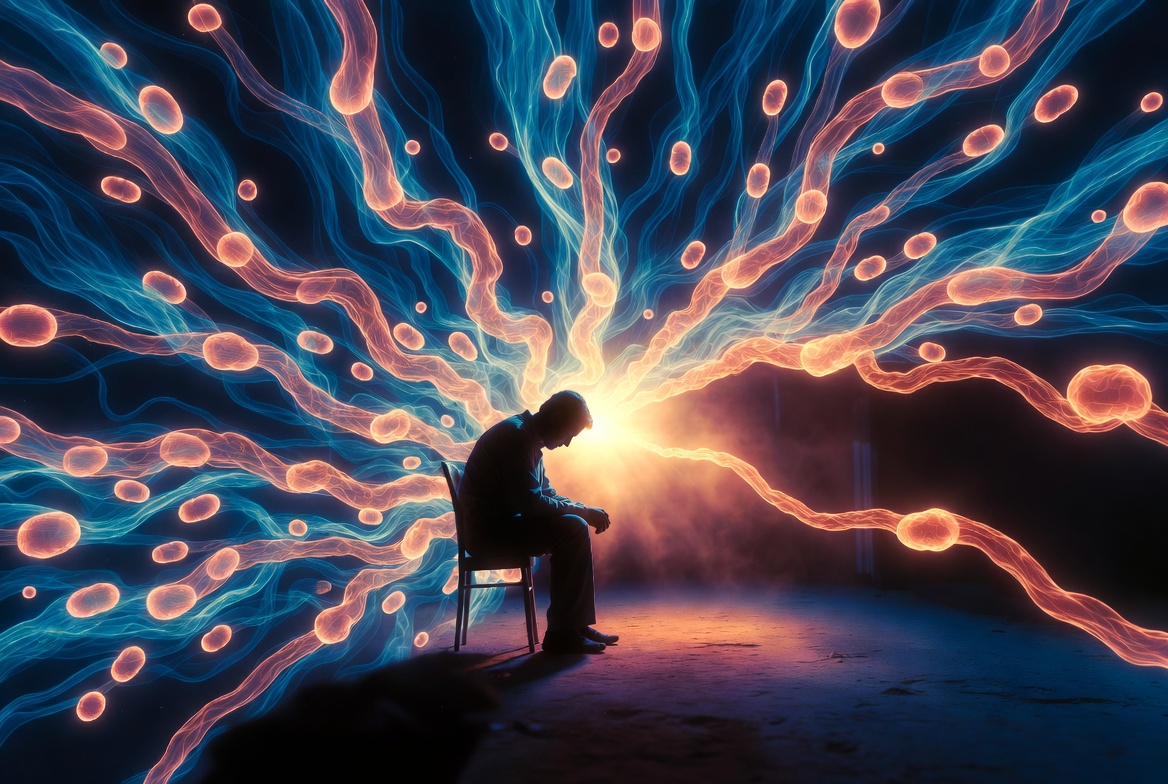
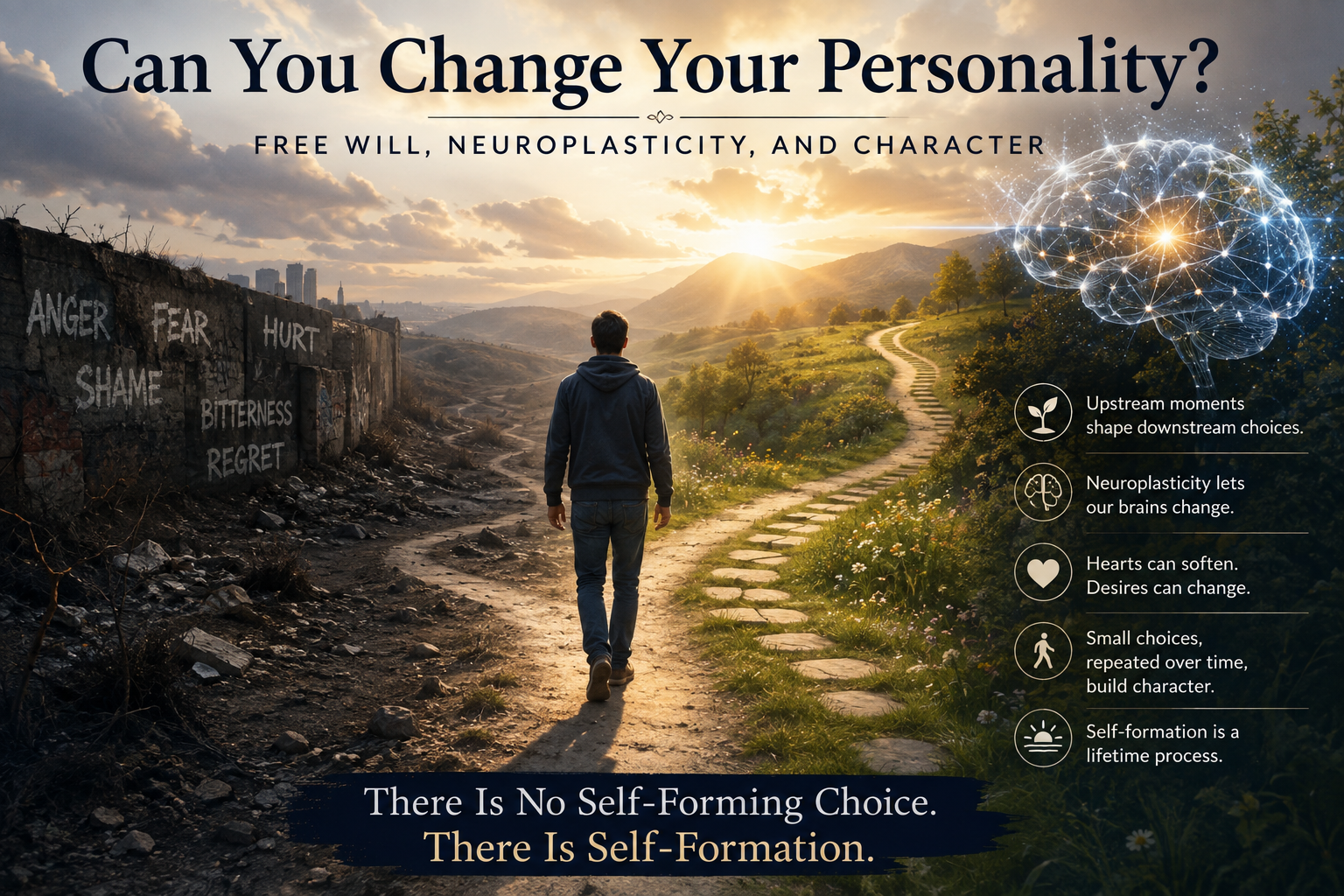
This is why I speak of the upstream moment. Most people imagine free will as something that happens in the visible instant of decision. But by then much has already happened. Habits have been formed. Desires have been cultivated. Neural pathways have been strengthened. The outward choice is often the downstream result of something quieter and earlier.
That does not destroy free will. It locates it more precisely. It tells you what is the true meaning of free will.
Free will lives upstream, in the quiet moments where a person reflects on what he loves, fears, values, and intends to become. It lives in the gradual formation of character. If I resist a temptation today, the choice may appear to happen in a second. In reality, it may have been formed long before, in silence, prayer, meditation, or deliberate self-examination.
That is why free will is not randomness. A random act is not free simply because it is unpredictable. If my choices were accidents, they would not be mine in any meaningful sense. Free will is not chaos breaking into the system. It is the self acting within the system. This tells us what the true meaning of free will is.
It is also not the same as compulsion. A compelled act may still have causes, but the person is being driven rather than governing himself. Free will is not the absence of influence. It is the ability to bring influences before the self and answer them rather than merely obey them.
So the real contrast is not between free will and causation. It is between free will and reductionism. Hard determinism treats the human being as an output, a result produced by prior inputs. My view is that a human being is more than an output. A person is a participant. Consciousness is not merely where causes arrive. It is also where they are interpreted, resisted, redirected, and sometimes transformed.
This matters because nearly everything human depends on it.
What does free will really mean?
If free will is an illusion, then moral responsibility becomes hard to defend. Praise and blame weaken. Love becomes chemistry. Loyalty becomes conditioned behavior. Courage becomes a stress response. Meaning itself begins to collapse, because meaning depends on the possibility that a person can answer life rather than merely be carried by it.
But if free will is real, then human life remains open in a profound way. The past can shape us without fully owning us. The causal chain can be real without being closed to agency. Consciousness can stand within the stream of cause and effect and still matter.
Determinism says the past explains us. Free will says the self can answer back.
That is what I mean by free will. Not magic. Not exemption from causation. Not randomness. I mean the real capacity of a conscious person to reflect, to form character, to deliberate, and to choose in a way that genuinely belongs to him.
The causal chain may carry the world forward. But within that chain, the human mind is not merely dragged along. It can become a cause of what comes next.
A better alternative: The upstream moment ->